Energy is the cornerstone of our lives, and we generally turn to nature to meet this need. However, nature offers us an infinite source of energy: The Sun. That bright star in the sky holds great potential not only for heating but also for illuminating our homes, workplaces, and industries. So, what are solar energy technologies, and how can we harness this potential? In this blog post, we will discuss the infinite energy potential embraced by the sun and EFTA Energy's work in this field. Enjoy your reading!
Table of Contents Toggle Photovoltaic (PV) SystemsConcentrated Solar Power (CSP) Systems
Photovoltaic (PV) Systems
The photovoltaic process occurs through solar cells that directly generate electrical energy using sunlight (photons). We can explain what happens in this process as follows:
Sunlight (photons) falls on solar cells, and the photons interact with the semiconductor material in the solar cells. (Solar cells are generally made of semiconductor materials such as silicon.) This interaction raises the energy levels of electrons within the material and causes them to become free. The freed electrons then move from one side of the solar cell to the other. This movement creates an electric field in the solar cells. The electric field causes electrons to move in a specific direction. This movement generates electrical energy called direct current (DC). The generated direct current energy is then converted into alternating current (AC) energy through an inverter connected to the solar energy system. EFTA Energy provides businesses with competitive advantages through effective energy use and low energy costs, increasing both their market share and new business opportunities. In this way, the energy produced becomes usable in homes and workplaces.
Photovoltaic is the process of directly converting sunlight into electrical energy. This process is carried out with the help of semiconductor materials known as solar cells.
Solar cells used in photovoltaic systems are generally made of semiconductor materials such as silicon. They generate energy by capturing sunlight (photons).
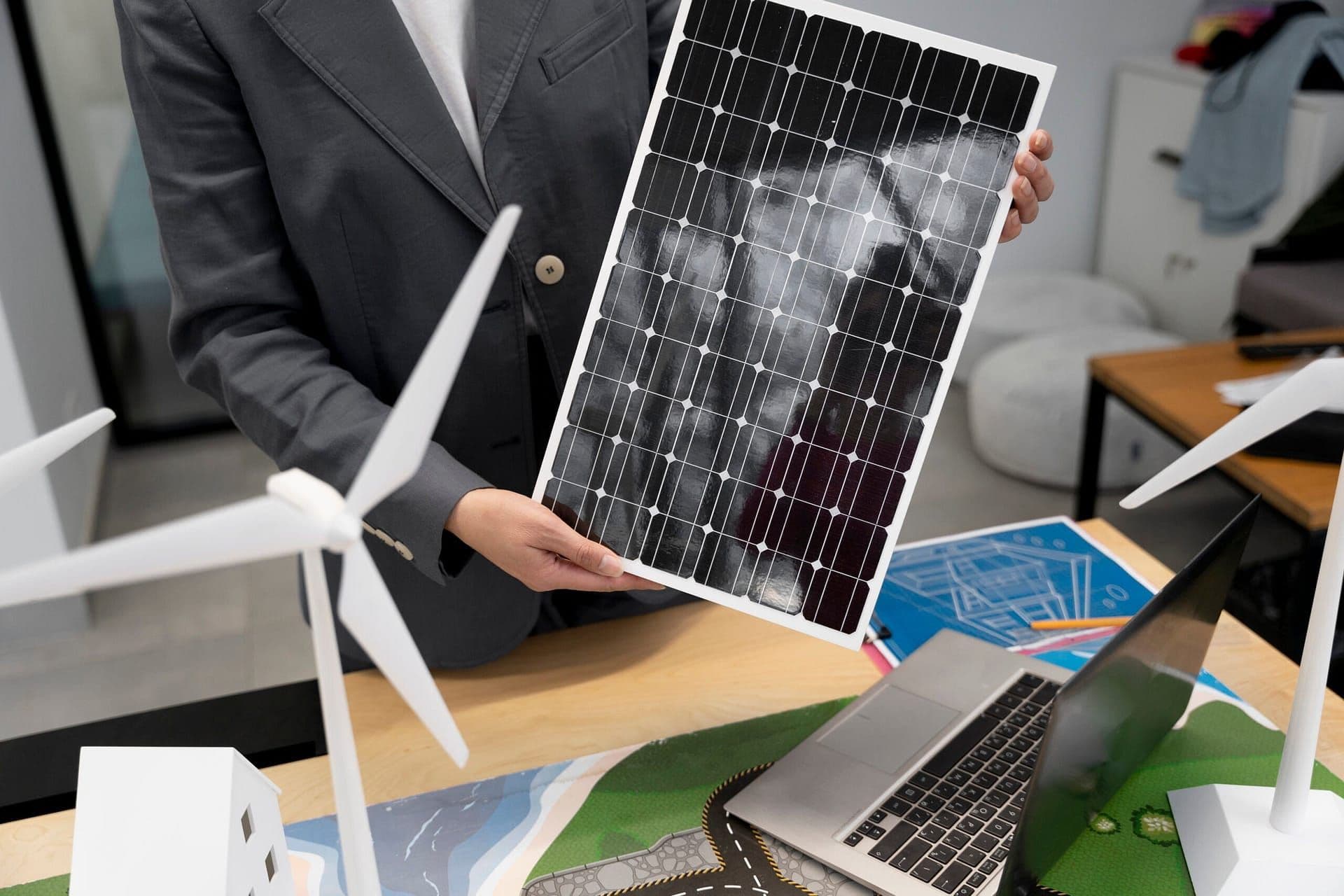
In photovoltaic systems, solar cells are mounted on solar panels. Solar panels enable solar cells to collect sunlight and convert it into electrical energy. Solar panels are typically mounted on PV modules formed by bringing together multiple solar cells. PV modules are designed to optimize energy production efficiency and system performance. At this point, EFTA Energy facilitates access to renewable energy technologies and helps you overcome challenges in the sector by installing solar energy systems in compliance with regulations and providing support on energy efficiency and savings measures. In photovoltaic systems, direct current (DC) energy obtained from solar panels is converted into alternating current (AC) energy. This conversion is accomplished with the help of a device called an inverter.
Photovoltaic system installation is done using mounting systems that can be placed on roofs, ground, or other structures. Mounting systems ensure that solar panels remain stable and resistant to weather conditions and wind. Photovoltaic systems can be connected to grid energy or equipped with batteries to store energy. Grid connection allows excess energy to be fed back to the grid when the system produces more than needed, while batteries are used to meet energy needs when there is no sunlight. Photovoltaic systems require low maintenance and are long-lasting. EFTA Energy becomes a reliable business partner for its customers not only during the sales and installation phase with its dynamic team and growing knowledge base, but also with years of technical follow-up and support services. It operates in line with its mission to provide long-term cooperation and support for the sustainable success of projects. Typically, solar panel efficiency gradually decreases over 20-25 years, but they continue to generate energy during this period.
Photovoltaic systems can be used in many areas requiring electrical energy. They are widely used in any situation requiring energy, such as homes, workplaces, industrial and commercial enterprises. Serving a wide range from industrial and agricultural facilities to commercial establishments and even producing solutions for detached houses, EFTA Energy installs solar energy systems in compliance with regulations and provides support on energy efficiency and savings measures.
Concentrated Solar Power (CSP) Systems
Concentrated solar power (CSP) systems focus on generating energy at high temperatures by collecting sunlight over a large area. These systems typically use mirrors or parabolic-shaped reflectors to focus sunlight onto a single point. This concentrated solar energy is used to heat a fluid.
The heated fluid is then operated with a mechanical energy conversion system such as a steam turbine or Stirling engine. This conversion system converts mechanical energy into electrical energy, and the energy is transferred to the grid or energy storage systems.
An important advantage of CSP systems is that they have energy storage capacity. The heated fluid can be stored in thermal energy storage systems when there is no energy demand and used to meet energy needs when there is no sunlight.
CSP systems are suitable for large-scale energy production and are typically used in large power plants connected to the electrical grid. These systems provide renewable energy without producing harmful emissions to the environment and help reduce fossil fuel use. Since solar energy does not harm the environment compared to fossil fuels, EFTA Energy offers sustainable and economic energy solutions to its customers with solar energy systems. In this way, it helps reduce environmental impacts.
However, due to the high initial costs and large area requirements of CSP systems, this technology is not considered suitable for small-scale applications and individual residences. CSP systems are generally preferred in sunny regions and large-scale energy production projects. EFTA Energy installs solar energy systems in compliance with regulations and provides support by achieving energy efficiency and cost savings.
We are sharing with you the image of "Gemasolar Thermosolar Plant" as one of the best-known examples of concentrated solar power systems.
Located near the city of Seville in Spain, it is one of the pioneering concentrated solar power (CSP) plants. This plant is considered an important CSP example worldwide and stands out with the following features:
- Gemasolar is a CSP plant using central receiver technology.
- In this system, 2,650 movable mirrors called heliostats continuously focus sunlight onto a central receiver located at the top of the plant.
- The receiver is located on a tower 140 meters high.
- The Gemasolar plant has an installed capacity of approximately 19.9 megawatts (MW) and generates approximately 110 gigawatt-hours (GWh) of electrical energy per year. This energy provides sufficient electricity for approximately 27,500 households.
- Gemasolar uses a thermal energy storage system with 15 hours of energy storage capacity. This allows the plant to continue generating energy even when there is no sunlight. This feature is an important advantage that distinguishes Gemasolar from other CSP plants.
- The renewable energy produced by the Gemasolar plant helps prevent approximately 30,000 tons of CO2 emissions per year by reducing fossil fuel use.
- Gemasolar is jointly operated by Spanish energy company SENER and Masdar, the renewable energy company of the United Arab Emirates.
Solar energy not only protects our nature but also reduces your energy costs. As EFTA Energy, we are here to offer you the best solar energy solutions. For more information, project proposals, and to take a step today for tomorrow's energy, contact us!
Want to discuss a solar project for your facility?
Tell us about your site and our engineering team will scope feasibility, ROI and procurement.