
Innovative Materials Can Ensure Long-Lasting Batteries
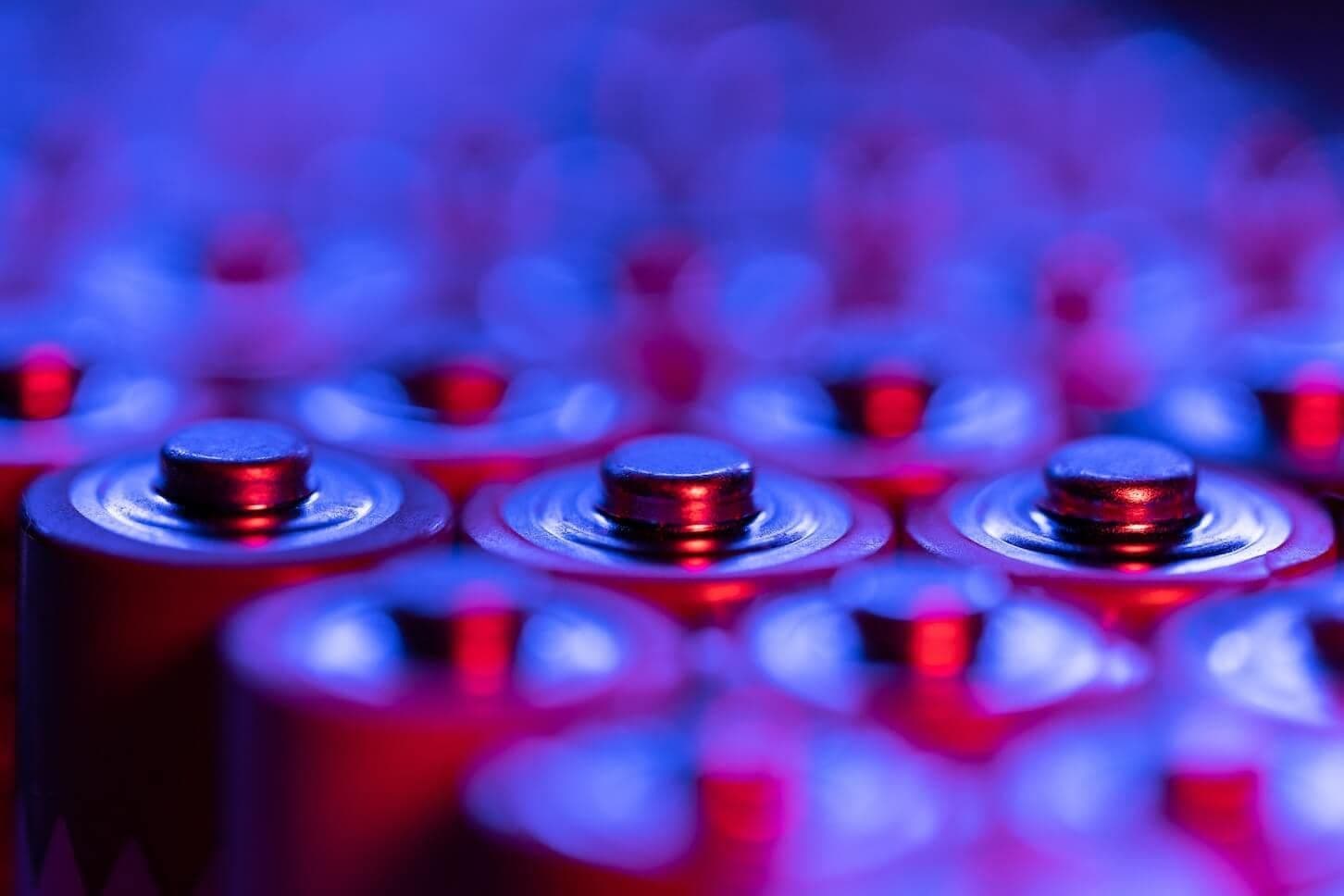
Batteries are essential for powering a wide range of electronic devices, from smartphones to cars. So how can we design a battery that lasts longer, charges faster and delivers high performance? There are many different ways to develop long-lasting batteries using innovative materials.
As Efta Energy, we promise sustainable and clean energy solutions. Our main focus is solar energy. We provide solutions for agricultural, industrial, commercial and residential buildings. Rising energy costs and environmental issues are our common concern. We install solar energy systems in compliance with regulations and support energy efficiency and conservation measures. We are working hard to make access to renewable energy technologies practical and eliminate challenges in the sector.
Solid State Batteries
One of the most promising innovations in battery design is the use of solid-state electrolytes instead of liquid or gel. Solid-state electrolytes are more stable, safer and have a higher energy density than conventional versions. Naturally, this encourages storing more power in less space. It reduces the risk of fire or leakage. Some of the components that can be used as solid-state electrolytes include ceramics, glass or polymers. But there are challenges, such as finding the right electrodes, improving conductivity and improving production.
Solid-state batteries represent a paradigm shift in technology. In modern li-ion batteries, ions move from one electrode to another through a liquid electrolyte. In full solid-state batteries, the liquid electrolyte is replaced by a solid compound that still allows the lithium ions to move through it. This concept is far from new. But in the last decade, intensive worldwide research has led to the discovery of new solid electrolyte members with very high ionic conductivity, similar to liquid electrolyte. This has made it possible to overcome some obstacles.
We design effective strategies to avoid the difficulties encountered during the realization of solar energy projects. Many factors such as regulatory changes and product supply problems affect the progress of projects. Failure to install facilities or delayed installation negatively impacts investment decisions and leads to the loss of potential revenue opportunities. At the same time, if projects fail, companies may experience rising energy costs and may not achieve their desired targets.
In order to overcome such obstacles, we pay attention to bureaucratic requirements during the project design phase and make it possible for the processes to proceed quickly. We provide consultancy services by providing expertise in compliance with regulations. We minimize costs by optimizing product supply stages and produce the most effective solutions by closely following technological innovations. We support the cost analysis and financing of projects with financial consultancy. With these detailed approaches, we support our customers' energy success and implementation. We manage to overcome the challenges in the sector effectively.
Flexible Batteries
Another way to develop a long-lasting battery is to make it flexible so that it can adapt to devices of different sizes and shapes, or even be integrated into foldable or wearable electronic devices. Flexible batteries are made using thin films, organic compounds or nanomaterials that can bend and stretch without losing their function. Some of the advantages of flexible batteries are that they can adapt to the design of the device, reduce volume and weight, and improve the user experience. At the same time, they face problems such as maintaining mechanical stability, preventing degradation and increasing capacity.
Managing energy projects presents opportunities and challenges at the same time. Failure of projects can lead to a number of negative situations, such as investment decisions being canceled or delayed. This can lead to missed potential revenue and growth opportunities and loss of government incentives and subsidies. In addition, failed investments in energy efficiency and renewable energy projects can lead to higher energy costs for companies and households, reduced competitiveness and lower sector shares.
Failed projects mean that the environmental footprint cannot be reduced and sustainability goals cannot be achieved. Companies may face risks such as reduced brand value, loss of reputation, and a diminished customer and investor base. Failure to achieve energy independence and security of energy supply can also encourage greater exposure to energy price fluctuations and external shocks. In addition, slowing innovation in the sector harms technology development. It leads to a decrease in R&D investments. Failed projects can also harm economic growth by reducing employment opportunities.
On the other hand, the successful energy projects we carry out as Efta Energy mean significant savings and increased profitability for companies and residences. Effective energy use and low energy costs also give companies a competitive advantage. Therefore, it increases companies' market shares and new business opportunities. Successful energy projects raise environmental awareness and play an important role in achieving sustainability goals. The reputation of investing companies is enhanced, brand value increases and the customer and investor base expands. Through renewable energy projects, it becomes possible to achieve energy independence and ensure the security of energy supply. This development minimizes the impact of energy price fluctuations and external shocks. Successful projects accelerate innovation in the sector and contribute to technology development. They support the development of energy efficiency and renewable energy technologies. They also contribute to economic growth by increasing employment opportunities.
Biology-Inspired Batteries
Another way to develop long-lasting batteries is to take inspiration from nature and use biological or organic components that can mimic the processes of living organisms. Bio-inspired batteries can be made using enzymes, bacteria, proteins or plants that can generate or store electricity through chemical reactions or photosynthesis. Some of the benefits of such batteries are that they are biodegradable, renewable and environmentally friendly. But there are some disadvantages, such as low power density, ethical concerns and short lifespans.
As Efta Energy, we focus on environmentally friendly energy sources, especially solar energy. We produce sustainable, budget-friendly energy solutions for our customers. Since solar energy does not harm the environment compared to fossil fuels, we help our customers reduce their environmental impact. Thus, our customers reduce their energy costs and have a more sustainable energy source. Investments in solar energy also offer advantages such as not being affected by interruptions in energy supply and maintaining company continuity.
By implementing sustainable policies and the right regulations, our company encourages the success of energy projects with financially favorable interest rates and supported loans. Our strategic investments in renewable energy sources make energy consumption and production economical and efficient. This minimizes lost opportunity costs. We offer different financial solutions to protect our customers' revenues in case subsidies are reduced or lost.
We increase the competitiveness of companies by reducing energy costs. By adopting the principle of sustainability, we prevent loss of reputation with our environmentally friendly energy approach. By diversifying energy consumption and production, we reduce energy security risks. In addition, by adopting technologies that pioneer innovations in the sector, we increase efficiency and support employment. With these approaches, we always stand out with the solutions we provide in the energy sector. We aim to add value to our customers and maintain our leadership in the sector.
Wireless Charging
Wireless charging technology is also being used to develop long-lasting batteries. Wireless charging can be used to charge the battery without the need for cables or plugs. Wireless charging uses electromagnetic fields, radio waves or ultrasound waves that can transmit energy from a transmitter to a receiver. Some of the benefits of wireless charging are that it is efficient, convenient and compatible with different devices. However, it also has some limitations such as short range and safety.
Our company, one of the leading companies in the city of Konya, was established with 80 percent partnership of Doğan Oksijen. Doğan Oksijen has a long history of sixty-five years. This long history does not only provide economic support. It also helps us to continue our activities with a strong partnership structure. The other partners of our company consist of individuals with academic backgrounds related to the sector. Therefore, our knowledge and expertise is always increasing. We have a dynamic, young and experienced staff of engineers and technicians. Our dedicated and expert team helps us to successfully complete our projects and achieve high customer satisfaction.
Successfully completed projects and the number of satisfied customers prove our strong position and leadership in this field. Doğan Oksijen's strong partnership and deep-rooted history are not limited to economic support. It offers our business partners a reliable and solid guarantee. We add value to our customers and maintain our leadership in the sector.
Smart Batteries
Another way to develop a long-lasting battery is to make it smart, enabling it to monitor and optimize its own performance, safety and health. Smart battery models are equipped with temperature, current, voltage or communication patterns related to the state of the battery. Some of the advantages of smart batteries are that they can improve battery reliability, functionality and durability. However, challenges such as cost, complexity and security can arise.
Lithium Sulfur Batteries
In Li-ion batteries, lithium ions are stored in active materials that act as stable host structures during discharge and charging. Lithium-sulfur batteries have no host structure. During discharge, the lithium anode is consumed and the sulfur is converted into various chemical compounds. The reverse process takes place during charging.
A Li-S battery contains very light active materials. It uses sulfur as the positive electrode and metallic lithium as the negative electrode. That's why the energy density is high. As a result, it becomes a good choice for the aerospace industries.
Battery Technologies to Change the Future
The need for batteries that store more, last longer and are much safer to use is increasing day by day. In this context, many different new battery technologies are emerging. Among these, the most striking ones are explained as follows:
NanoBolt Lithium Tungsten Batteries
Researchers at N1 Technologies, Inc. working on battery anode materials use tungsten and carbon multilayer nanotubes that bond to the copper anode substrate and form a network-like nanostructure. This promotes a huge surface on which more ions can bind during charge and discharge cycles. This allows the NanoBolt lithium tungsten battery to charge faster. On the other hand, it also stores more energy.
Zinc Manganese Oxide Batteries
A group of researchers based at the Pacific Northwest National Laboratory has found that a zinc-manganese oxide battery shows an unexpected chemical transformation reaction. Zinc-manganese batteries are becoming a good alternative to lithium-ion and lead-acid batteries, especially for storing large amounts of energy to support the power grid.
Organosilicon Electrolyte Batteries
One problem with lithium batteries is the danger of the electrolyte catching fire or exploding. A group of researchers looking for something safer than the carbonate-based solvent system in Li-ion batteries have designed Organosilicon Electrolyte batteries. The resulting batteries can be used in many fields.
Gold Nanowire Gel Electrolyte Batteries
Another one of the batteries that will change the future is Gold Nanowire Gel Electrolyte batteries. Gold nanowire gel electrolyte batteries are a new type of battery that has the potential to be much more efficient, durable and safe than traditional lithium-ion batteries. These batteries use gold nanowires in their electrolytes and thus bring many important advantages.
Greater Energy Density: Gold nanowires significantly increase the conductivity of the electrolyte and the overall energy density of the battery. This means they can deliver more power compared to conventional batteries of the same size and weight.
Faster Charging: Gold nanowires allow ions to move faster through the electrolyte, allowing the battery to charge much faster. As a result, it becomes ideal for electric vehicles and other devices.
Long Life Gold nanowires are more resistant to chemical corrosion, which extends the life of the battery considerably. While traditional lithium-ion batteries start to degrade after hundreds of charges, gold nanowire batteries can withstand thousands of charge cycles. Such batteries are becoming more and more popular due to their long lifespan.
Improved Safety: Gold nanowires, together with the gel electrolyte, create a more stable structure, reducing the risk of battery explosion or fire. This makes them a safer option for electric vehicles and other sensitive applications.
Lower Cost: Gold nanowires are cheaper to produce, which helps lower the cost of batteries.
Gold nanowire gel electrolyte batteries are still under development. But they already have the potential to revolutionize battery technology. In the future, they are predicted to be widely used in electric vehicles, portable devices and grid storage.
As Efta Energy, we aim to reduce the energy expenditures of companies and residences and optimize the use of resources with the solutions we provide in terms of energy efficiency. With our long years of experience in the energy sector and our expert team, we reinforce our leadership in this sector by providing detailed solutions to our customers. By focusing on customer requirements, we aim to achieve our goals of reducing energy consumption, reducing costs and supporting sustainable energy use.
We attach great importance to proper planning and strategy development in our projects. At these points, we put our expertise and experience to work to produce solutions that best suit our customers' needs. We prefer a proactive approach to ensure that projects are completed successfully and that our customers are not interrupted in reaching their energy targets. We bring projects to success by solving the challenges faced both effectively and quickly.
We focus on continuous innovation and development in order to increase the competitiveness of our customers. With our dynamic team and developing know-how, we support them to become leaders in energy projects. We succeed in being a reliable business partner to our customers not only in sales and installation but also in technical support and follow-up services for many years. We act in the light of our mission to provide long-term cooperation and support for the sustainable success of projects. Therefore, we continue to stand out with the solutions we offer in the energy sector.
With our energy efficiency solutions, we aim to reduce the energy costs of companies and residences and optimize the use of resources. With our long years of experience and expert team, we promise comprehensive solutions to our customers. Do you have a project in the field of solar energy? You can contact us immediately to ensure the success of your project.
Want to discuss a solar project for your facility?
Tell us about your site and our engineering team will scope feasibility, ROI and procurement.
Related posts
Solar Energy
An Innovative Turbine: Combining Wind and Solar Energy to Create a Sustainable Energy System

Solar Energy
Solar Energy: International Energy Agency Announces Goal to Beat Coal Globally in 3 Years
Solar Energy