What are the Basic Components of Solar Energy Systems?
Solar energy systems provide a clean and sustainable energy source by converting sunlight into electrical energy. Many basic components come together for these systems to work successfully. Elements such as solar panels, mounting systems, inverter, grid connection, batteries and charge controller are important parts that ensure the effective and efficient operation of a solar energy system. Efta Energy provides clean and sustainable energy solutions, with a special focus on solar energy, serving a wide range of customers from industrial and agricultural facilities to commercial buildings and even single-family homes. Solar energy systems convert sunlight into electrical energy to meet energy needs. The basic components of these systems are:
Table of Contents Toggle Solar Panels:Mounting System:InverterMains Connection:BatteriesCharge Controller:
Solar Panels:
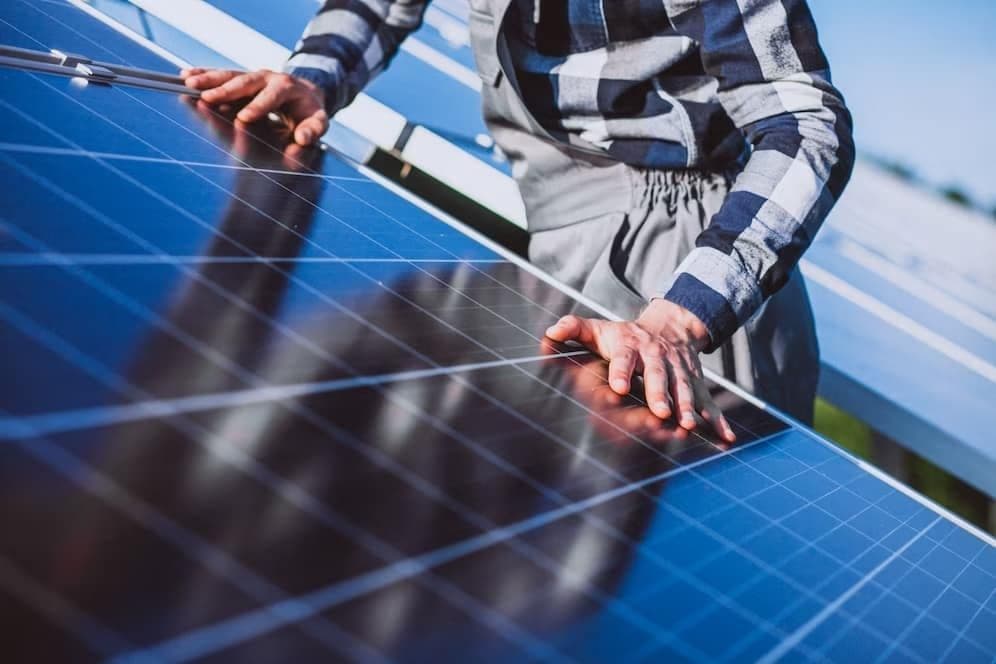
The most important component of solar energy systems are solar panels. Solar panels are flat structures made of solar cells that capture sunlight and convert it into electrical energy. Solar cells are usually made of semiconductor materials such as silicon.
Mounting System:
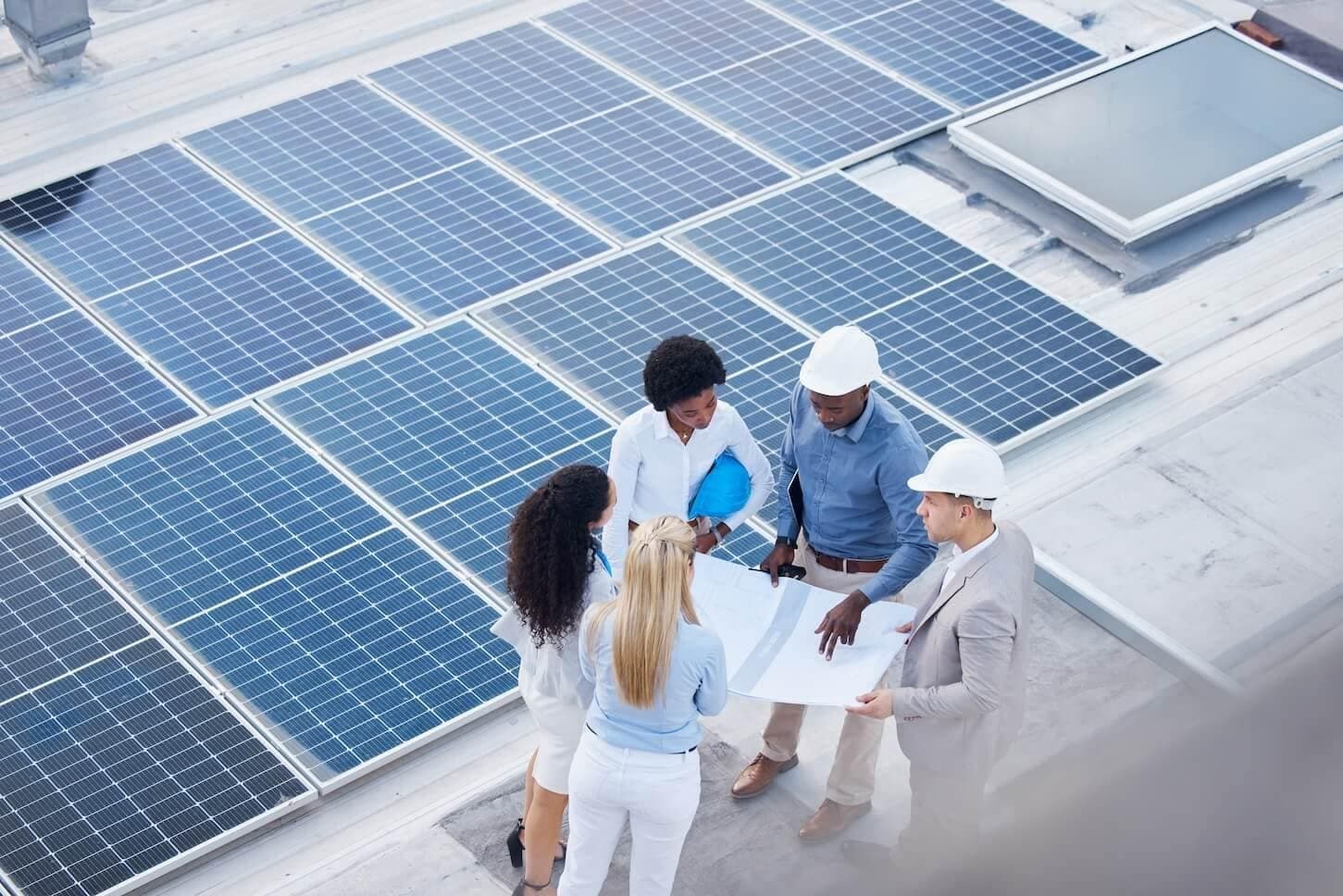
Solar panels are supported and fixed with structures called mounting systems. Efta Energy is a reliable business partner not only in the sales and installation phase, but also in the technical follow-up and support services for many years. Mounting systems are used to place solar panels on roofs, floors or other structures. These systems ensure that the solar panels remain stable and resistant to weather conditions and wind.
Inverter
The electrical energy obtained from solar panels is in the form of direct current (DC). However, the electrical energy used in homes and businesses is usually in the form of alternating current (AC). The inverter converts the direct current (DC) from solar panels into alternating current (AC) so that the energy can be used in homes and businesses.
Mains Connection:
Solar energy systems can also be connected to the grid. This way, when the solar system does not produce enough energy, additional energy can be taken from the grid. Likewise, when the solar system produces excess energy, this energy can be fed back into the grid.
Batteries
Some solar power systems are equipped with batteries to store energy. Batteries store part of the energy produced by the solar system and can be used to meet energy needs when there is no sunlight (at night or in overcast weather conditions).
Charge Controller:
In solar systems equipped with batteries, the charge controller is also an important component. The charge controller directs the energy from the solar panels to the batteries and ensures that the batteries are charged correctly. It also prevents the batteries from overcharging or discharging.
If you want to step into a sustainable energy future, Efta Energy offers reliable sales and installation services as well as long-term technical follow-up and support. To take a leading role in the energy sector and meet environmentally friendly energy solutionscontact us immediately. Let's turn the future into sunshine together!
Want to discuss a solar project for your facility?
Tell us about your site and our engineering team will scope feasibility, ROI and procurement.