Table of Contents Toggle Definition of solar energy:History of solar energyAntiquity19. Century20. Century21. Century1970s and 1980s:1990s:2000s and 2010s:Successful use cases and mainstreaming:Residential and commercial buildings:Industrial and agricultural facilities:Large-scale solar power plants:Transformation of solar energy into an investment and production tool:Investment incentives and policies:Technological developments:
Definition of solar energy:
Solar energy is the use of radiant energy from the Sun as a renewable and sustainable resource. The Sun has been continuously producing energy for billions of years and this energy reaches the Earth in the form of heat and light. Solar energy is a clean and environmentally friendly energy source with significant potential to meet the Earth's energy needs.
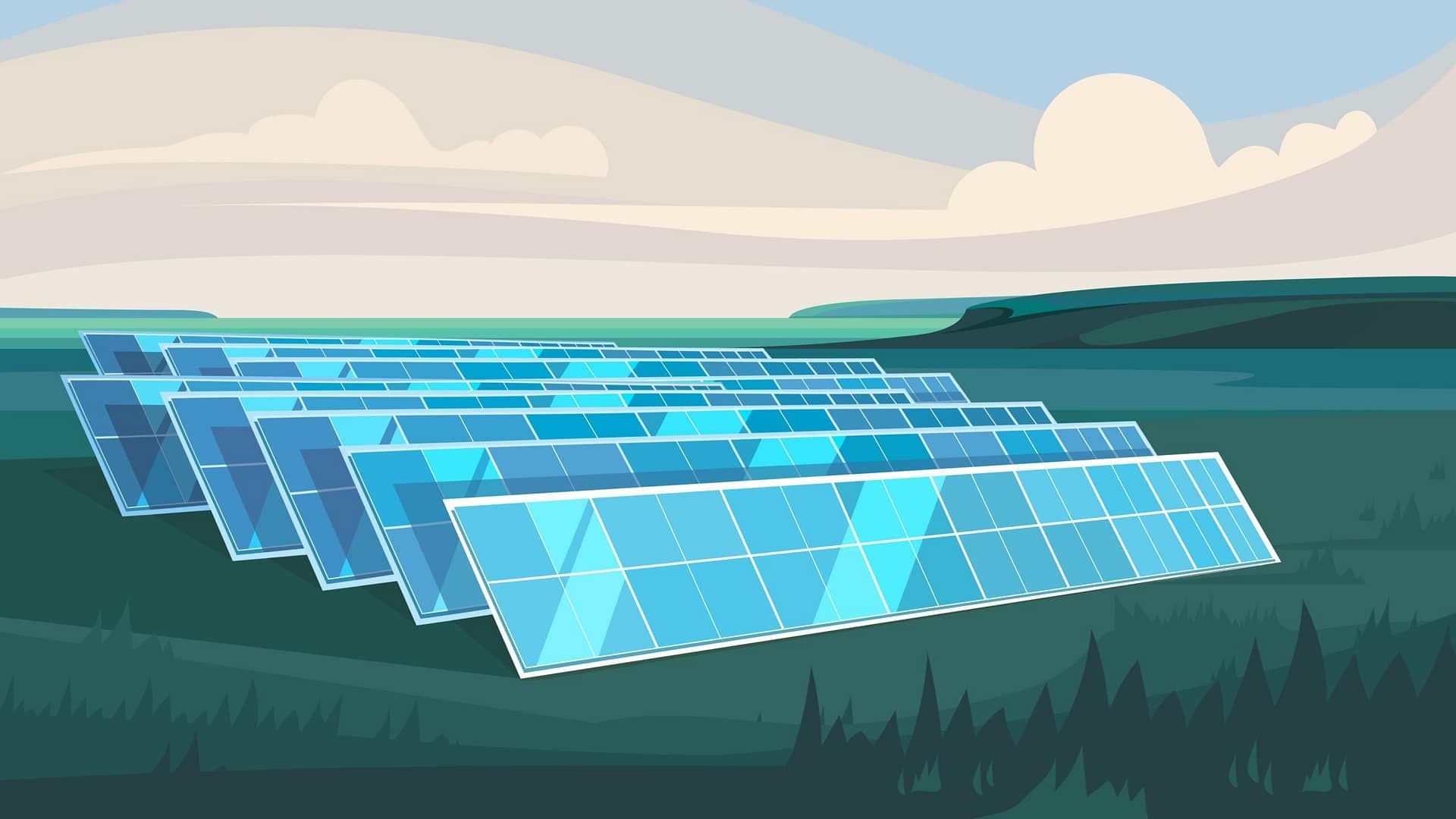
Solar energy can be converted into electricity and heat energy using various technologies. The most widely used of these technologies are photovoltaic (PV) systems. Photovoltaic systems consist of solar cells that generate electricity directly from sunlight. Solar cells are usually made of semiconductor materials such as silicon and have the ability to convert the energy of sunlight into electrical energy. Solar cells are combined together to form solar panels, which are then connected together to form larger solar energy systems to meet energy needs.
Another solar energy technology is concentrated solar power (CSP) systems. In these systems, the sun's rays are concentrated and converted into heat energy. Concentrated solar power systems work by using mirrors and lenses that collect and focus sunlight. The heat energy collected in this way can then be used to generate electricity.
Solar energy plays a major role in reducing the environmental impact of energy production. Unlike the combustion of fossil fuels, air pollution, greenhouse gas emissions and other environmental problems do not occur during the use of solar energy. Moreover, solar energy contributes to the diversification of energy sources and energy independence, increasing the security and stability of energy supply.
History of solar energy
Today, most of the world's energy needs are still met by fossil fuels and other traditional energy sources.
However, with energy consumption increasing rapidly and fossil fuels being a finite resource, the need to turn to renewable energy sources is becoming more and more important. Solar energy has a great potential among these renewable energy sources and will have an increasing share in meeting global energy demand.
Solar energy is a very suitable option for meeting energy needs. Solar energy systems are an excellent alternative for energy production, especially in regions that can benefit from sufficient sunlight. Moreover, during the installation and operation of solar energy systems, it is possible to minimize the environmental impact of energy production.
As a result, solar energy stands out as an environmentally friendly, sustainable and energy independent energy source. This infinite energy from the sun can be used to meet energy needs and reduce energy costs in places with high energy consumption, such as industrial and agricultural production facilities, industrial and commercial buildings and private residences. The widespread use of solar energy will enable a greener and cleaner energy sector in the future.
The use of solar energy has been realized in different ways and with various technologies throughout human history. The history of solar energy dates back to ancient civilizations and has been shaped by technological developments and applications.
Antiquity
The use of solar energy began in civilizations such as ancient Egypt, Greece and Rome, taking advantage of the sun's heat and light. During this period, the natural energy of sunlight was used primarily for heating and lighting buildings. It is also known that solar energy was concentrated and used for purposes such as lighting fires and melting minerals.
19. Century
The modern history of solar energy utilization began in the 19th century. During this period, the scientific and technological foundations of solar energy were laid and the first steps were taken towards the development of solar energy systems. in 1839, French physicist Alexandre Edmond Becquerel discovered the photovoltaic effect. This discovery is the principle of direct conversion of sunlight into electrical energy, which forms the basis of solar cells.
20. Century
20. century, solar energy technology has developed rapidly. in the early 1950s, the first silicon solar cell was developed by Bell Laboratories. This cell paved the way for the development of more efficient and practical solar cells to be used in solar energy systems. in the 1970s, with the energy crises and increasing environmental awareness, investments and research in solar energy technologies accelerated.
21. Century
21. century, solar energy technology has made great progress and has become an important component of global energy production. The cost of solar energy systems has decreased, their efficiency has increased and solar energy applications have diversified. Today, solar energy plays an increasingly important role in meeting energy needs and provides a large share of energy production worldwide. Especially in the last 20 years, solar capacity has increased rapidly, and thanks to falling costs, more people and businesses are taking advantage of this clean and renewable energy source.
Today, solar energy is used in different fields such as electricity generation, heating, cooling and water heating. From small-scale residential systems to large industrial and even government projects, solar technology offers an important solution to meet energy needs worldwide.
The history of solar energy dates back to ancient times and has been shaped by technological developments. In the coming years, with the further development and expansion of solar energy technology, this clean and sustainable energy source is expected to have a larger share in global energy production.
The recent history of solar energy is characterized by the fact that it has become an important component of renewable energy technologies, accelerating particularly since the second half of the 20th century. In this process, solar energy technology has become increasingly advanced and widespread.
1970s and 1980s:
the energy crises of the 1970s and increased environmental awareness accelerated investments and research in solar energy technologies. During this period, the costs of solar energy systems began to fall and the technology became more available. in the 1980s, solar energy applications diversified and exemplary projects were implemented around the world, particularly in the US and Europe.
1990s:
in the 1990s, the development of solar energy technology continued to accelerate. During this period, the efficiency of solar energy systems increased and more people and businesses started to utilize this clean and renewable energy source. Furthermore, in the late 1990s, international agreements and environmental policies, such as the Kyoto Protocol, encouraged the use of renewable energy sources such as solar energy.
2000s and 2010s:
21. since the turn of the century, solar energy technology has developed dramatically to become an important component of global energy production. During this period, solar energy capacity has increased rapidly and more people and businesses have benefited from this energy source thanks to falling costs. Especially in the last decade, solar energy applications have rapidly expanded in different fields such as electricity generation, heating, cooling and water heating.
Successful use cases and mainstreaming:
Residential and commercial buildings:
Solar panels are installed on building roofs or in open areas and used for electricity generation and heating. In addition, applications such as solar-powered water heaters and air conditioning systems are becoming increasingly common. These areas of use reduce energy costs and provide energy independence.
Industrial and agricultural facilities:
Solar energy is also used in industrial and agricultural facilities where energy demand is high. By using solar energy systems, these facilities reduce their energy costs and minimize their environmental impact. Solar energy is also used for agricultural applications, from irrigation systems to water pumps.
Remote and rural areas: Solar energy is also used in remote and rural areas that are not connected to the electricity grid. In these areas, solar systems provide energy independence and reduce energy costs. In particular, applications such as solar-powered street lights, water pumps and communication systems improve the quality of life in rural areas.
Large-scale solar power plants:
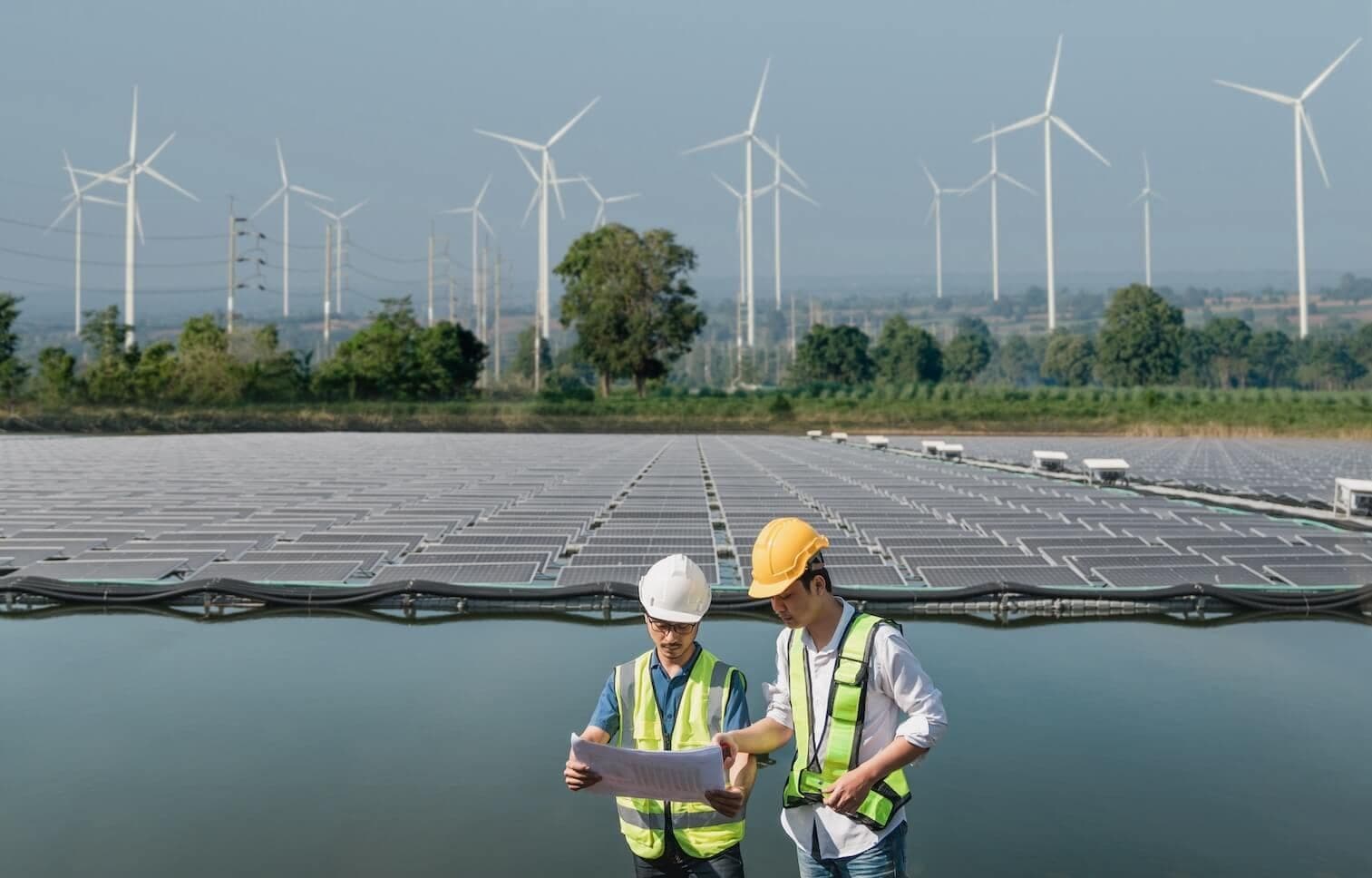
Large-scale use of solar energy is realized through solar power plants. These power plants are systems consisting of thousands of solar panels installed over large areas. Solar power plants have a significant potential in energy production and provide sustainable energy production by minimizing environmental impacts.
Transformation of solar energy into an investment and production tool:
The development of solar energy technology and the decrease in costs have turned this energy source into an investment and production tool. In particular, the installation costs of solar energy systems have decreased significantly over the last 20 years, which has led more people and businesses to invest in this energy source.
Moreover, in terms of energy production and consumption, solar energy offers a cost-effective and sustainable solution in the long term.
Investment incentives and policies:
The support of governments and international organizations has played a major role in the expansion of solar energy. Various incentive programs, tax breaks and low-interest loans have increased investments in solar energy systems. These policies are contributing to a more rapid expansion of solar energy and an important role in energy production.
Technological developments:
The development of solar energy technology is an important factor in the widespread use of this energy source. The increase in the efficiency of solar panels, the development of energy storage systems and the use of energy management systems have made solar energy more efficient and usable. These technological developments contribute significantly to the transformation of solar energy into an investment and production tool.
As a result, solar energy has become increasingly important as an investment and production tool due to both technological advances and cost reductions. Moreover, with the support of governments and international organizations, solar energy systems are rapidly expanding worldwide. This allows solar energy to become an important component of energy production and contribute to sustainable energy production.
The recent history of solar energy is characterized by the fact that it has become an important component of renewable energy technologies, accelerating particularly since the second half of the 20th century. In this process, solar energy technology has become increasingly advanced and widespread. the energy crises of the 1970s and increased environmental awareness accelerated investments and research in solar energy technologies. in the 1980s, solar energy applications diversified and exemplary projects were implemented around the world, particularly in the US and Europe. in the 1990s, the development of solar energy technology continued to accelerate. During this period, the efficiency of solar energy systems increased and more people and businesses began to utilize this clean and renewable energy source. Furthermore, in the late 1990s, international agreements and environmental policies, such as the Kyoto Protocol, encouraged the use of renewable energy sources such as solar energy.
Want to discuss a solar project for your facility?
Tell us about your site and our engineering team will scope feasibility, ROI and procurement.